One preservice teacher entered a museum expecting to observe children. She left talking about families.
She noticed a mother translating scientific ideas, siblings coordinating participation, and children leading investigations. What surprised her was not simply the children’s learning. It was how much learning was already happening within families.
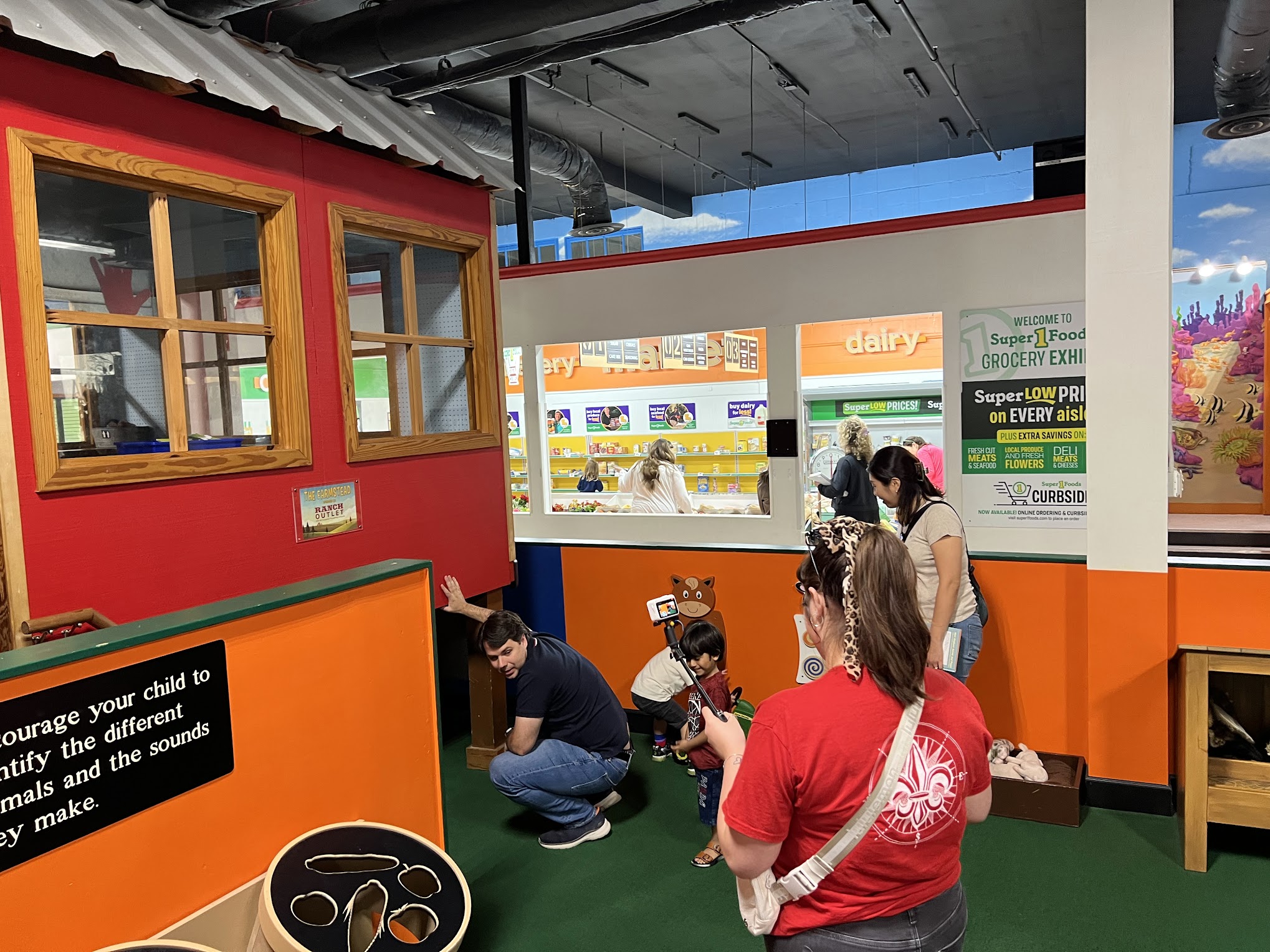
FLOA invites preservice teachers to learn from family meaning-making in community spaces.
That observation led me to a question that continues to shape my teacher education work:
How do future teachers learn to recognize strengths that schools often overlook?
Many preservice teachers enter teacher education committed to equity. Yet recognizing family strengths requires more than good intentions. It requires opportunities to observe, analyze, and discuss what families actually do together.
Through repeated observations in museums, libraries, and community spaces, preservice teachers began noticing multilingualism, translation, caregiving, and collaborative problem solving as evidence of learning rather than deficits to be corrected.
Educational institutions often position families as supporters of school learning rather than as participants in learning. FLOA reverses that perspective.
By positioning families as knowledgeable meaning-makers, the project helps future teachers develop more humanizing and equitable approaches to literacy education.
FLOA became a bridge between my research on multilingual family learning and my work in teacher education. The framework has now been implemented across multiple semesters and has shaped collaborations with museums, public libraries, and community organizations.
The same question that began in museums now guides my work with educators and librarians: How do institutions learn to see competence differently?